
Tax answers · IRC §469
Can Rental Losses Reduce Your Other Taxable Income?
Rental real estate losses are generally subject to passive activity limits, so a loss on Schedule E does not automatically reduce wages or other income. Exceptions may apply. Losses that are not currently deductible may carry forward rather than disappear.
A Rental Loss And An Allowed Deduction Are Different
Depreciation and operating costs may produce a tax loss even when a property has positive cash flow. Whether you can use that loss this year depends on the applicable basis, at-risk, and passive activity rules.
Active Participation Is Not The Same As Material Participation
A special allowance may apply to qualifying active participants, subject to income and other limits. The real estate professional exception has separate requirements. Qualifying as a real estate professional alone does not automatically make every rental nonpassive; material participation in the relevant activity still matters.
Track What Carries Forward
Keep prior-year passive-loss worksheets with the property file. A later profitable year or a qualifying disposition can affect when suspended losses become usable. Grouping choices and ownership changes can matter, so avoid treating each annual return as an isolated calculation.
What To Gather Before The Conversation
- Prior returns and Form 8582 worksheets
- Depreciation and basis schedules
- Participation records
- Ownership, financing, and sale documents
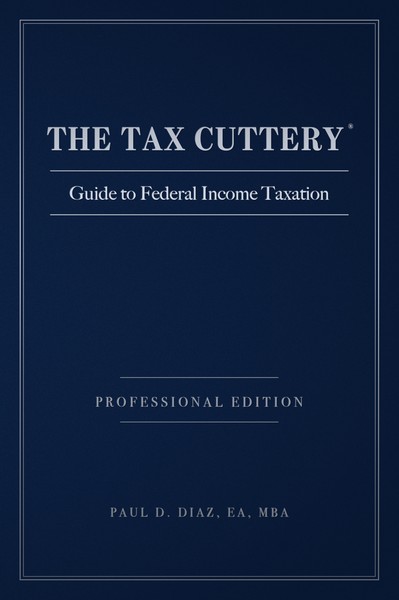
Keep the bigger picture on your desk
One Question Leads To Another.
The Guide connects this topic to the decisions around it. Understand your return, ask better questions, and see where planning belongs.
Explore the related chapter summary, then make the hardcover yours. Register your copy for one written tax-topic question answered from our desk.
Related Questions
Source And Scope
IRS Publication 925 — Passive Activity and At-Risk Rules. Use the rules and instructions for the tax year involved. This overview does not cover every exception and is general information, not a conclusion about a particular return.
Continue in the Guide: Chapter 12, Chapter 3, Chapter 18.