Tax answers · IRC §1014
What Is The Tax Basis Of Inherited Property?
The basis of inherited property is generally its fair market value at the decedent’s death, subject to exceptions and special valuation rules. The adjustment can increase or decrease basis. It does not mean every inherited asset receives a tax-free step-up.
Establish The Value And The Type Of Asset
For property covered by the general rule, a defensible valuation is central to a later gain calculation. Certain assets, including income in respect of a decedent, follow different rules. Do not apply a real-estate example automatically to an inherited retirement account.
Inherited Property And Lifetime Gifts Are Different
Property received as a gift during life can have a different basis calculation from property inherited at death. Adding someone to a deed or transferring ownership is therefore more than a paperwork decision. Determine how the asset was acquired before choosing a basis figure.
Keep The Valuation With The Asset
A sale shortly after inheritance does not eliminate the need to determine basis. Later improvements, depreciation, and other adjustments may also matter. Ask the estate representative for the applicable valuation and any required basis information before reconstructing it years later.
What To Gather Before The Conversation
- Date-of-death valuation or appraisal
- Estate basis statements, if applicable
- Ownership and distribution documents
- Post-inheritance improvements and depreciation
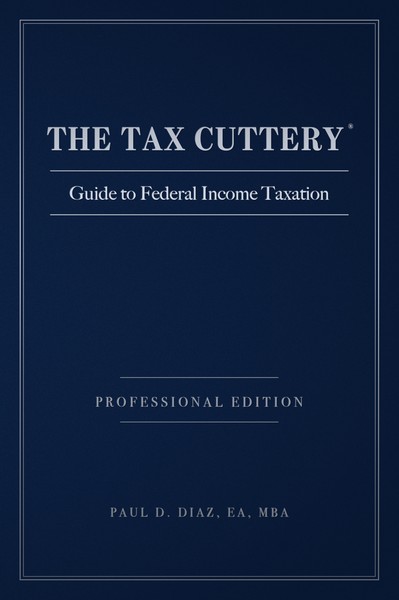
Keep the bigger picture on your desk
One Question Leads To Another.
The Guide connects this topic to the decisions around it. Understand your return, ask better questions, and see where planning belongs.
Explore the related chapter summary, then make the hardcover yours. Register your copy for one written tax-topic question answered from our desk.
Related Questions
Source And Scope
IRS Publication 551 — Basis of Assets. Use the rules and instructions for the tax year involved. This overview does not cover every exception and is general information, not a conclusion about a particular return.
Continue in the Guide: Chapter 12, Chapter 13, Chapter 14, Chapter 15, Chapter 21.