
Tax answers · IRC §199A
Who Can Claim The Qualified Business Income Deduction?
Eligible owners of pass-through businesses may qualify for a deduction of up to 20% of qualified business income under Section 199A. It is not simply 20% of sales or every dollar shown on a Schedule K-1. Income, business type, and other limitations affect the calculation.
Identify The Income That Qualifies
Sole proprietorships, partnerships, and S corporations may generate qualifying income. Employee wages and C corporation income do not qualify as QBI. Certain owner compensation and investment items are also excluded from QBI.
Use The Rules For The Actual Return Year
The calculation can depend on taxable income, net capital gain, wages, qualified property, and whether the business is a specified service trade or business. For tax years beginning after 2025, additional active-business minimum-deduction provisions may apply. Use the current Form 8995 or 8995-A instructions rather than carrying last year’s thresholds forward.
Rental Activity Requires Its Own Analysis
A rental is not automatically a qualifying business for every tax purpose. Section 199A has its own rules and a rental real estate safe harbor. Failing that safe harbor does not necessarily end the inquiry; the activity may qualify under other applicable rules.
What To Gather Before The Conversation
- Schedule C and all Schedule K-1 statements
- Prior QBI loss carryforwards
- Owner compensation and wage details
- Taxable-income estimate and relevant rental records
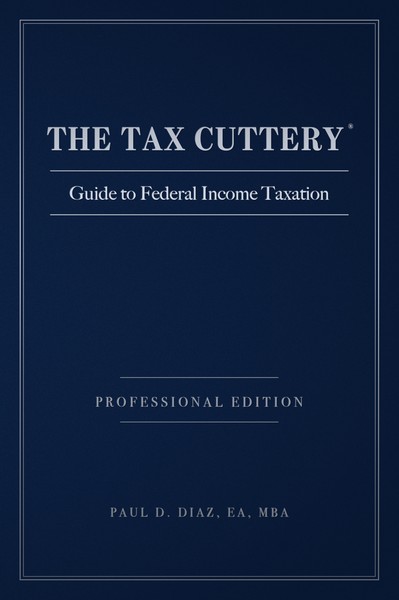
Keep the bigger picture on your desk
One Question Leads To Another.
The Guide connects this topic to the decisions around it. Understand your return, ask better questions, and see where planning belongs.
Explore the related chapter summary, then make the hardcover yours. Register your copy for one written tax-topic question answered from our desk.
Related Questions
Source And Scope
IRS — Qualified business income deduction. Use the rules and instructions for the tax year involved. This overview does not cover every exception and is general information, not a conclusion about a particular return.
Continue in the Guide: Chapter 12, Chapter 1, Chapter 2, Chapter 3, Chapter 5, Chapter 8, Chapter 9, Chapter 13, Chapter 18, Chapter 19, Chapter 21.