
Tax answers · IRC §121
Do You Owe Tax When You Sell Your Home?
You may be able to exclude up to $250,000 of gain from selling your main home, or up to $500,000 on a qualifying joint return. The exclusion applies to gain, not the selling price. Ownership, use, and other eligibility rules determine how much you can exclude.
Start With The Gain, Not The Mortgage Payoff
Your mortgage balance does not establish your taxable gain. Start with the selling price, selling expenses, and adjusted tax basis. Purchase documents and qualifying improvement costs can matter as much as the closing statement from the sale.
Check The Exceptions Before Assuming The Sale Is Tax-Free
The usual ownership and residence tests look at two years within the five years before sale. Prior exclusions, business or rental use, depreciation, and special circumstances can change the result. A reduced exclusion may be available for certain work, health, or unforeseen circumstances. Form 1099-S can create a reporting requirement even when the gain is excluded.
A Useful Question Before Listing
Ask: “What is my documented basis, and which part of my gain qualifies for exclusion?” Resolving that before closing gives you a better starting point than discovering missing paperwork while preparing the return.
What To Gather Before The Conversation
- Purchase and sale closing statements
- Improvement invoices and dates
- Dates of residence and rental or business use
- Prior home-sale exclusions and depreciation records
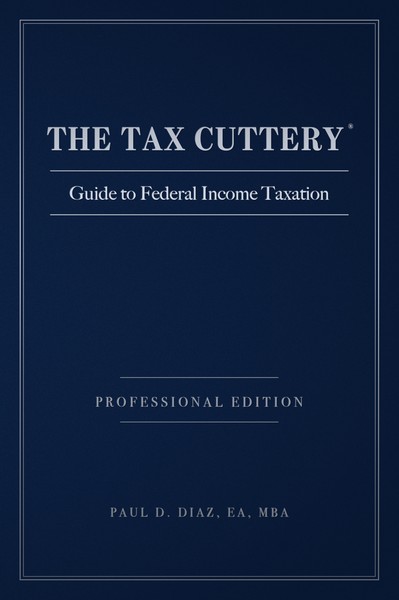
Keep the bigger picture on your desk
One Question Leads To Another.
The Guide connects this topic to the decisions around it. Understand your return, ask better questions, and see where planning belongs.
Explore the related chapter summary, then make the hardcover yours. Register your copy for one written tax-topic question answered from our desk.
Related Questions
Source And Scope
IRS Publication 523 — Selling Your Home. Use the rules and instructions for the tax year involved. This overview does not cover every exception and is general information, not a conclusion about a particular return.
Continue in the Guide: Chapter 12, Chapter 2, Chapter 13, Chapter 21.