
Tax answers · IRC §1031
Can A 1031 Exchange Defer Tax On A Property Sale?
A qualifying Section 1031 exchange can defer recognition of gain when business or investment real estate is exchanged for qualifying like-kind real estate. Simply selling a property and buying another does not automatically qualify. Cash or other nonqualifying property received can cause taxable gain.
Plan The Exchange Before The Sale Closes
Deferred exchanges have specific identification and completion rules, and receiving or controlling the sale proceeds can jeopardize the intended treatment. Discuss the structure with the professionals handling the exchange before signing closing instructions.
Deferral Carries Consequences Into The Replacement Property
A qualifying exchange generally carries deferred gain forward through the basis of the replacement property. It does not mean the original gain has disappeared. Debt changes, cash received, ownership structure, and the use of each property deserve separate attention.
Keep The Property Rules In View
The current like-kind exchange provision concerns qualifying real property. A personal residence, property held primarily for sale, or an equipment trade should not be assumed eligible. Use the exchange analysis alongside the business and cash-flow reasons for changing properties.
What To Gather Before The Conversation
- Original purchase and improvement records
- Depreciation schedules
- Sale and replacement purchase agreements
- Exchange agreements, identification documents, and closing dates
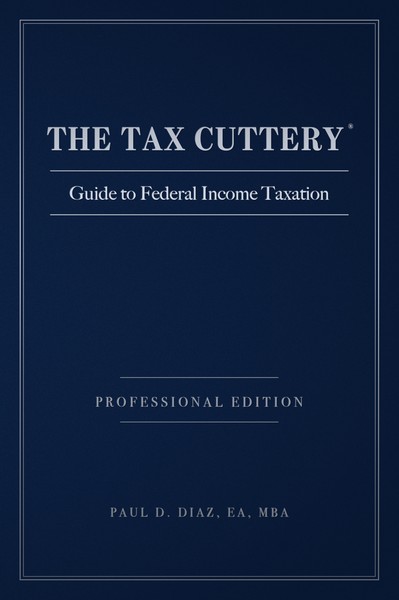
Keep the bigger picture on your desk
One Question Leads To Another.
The Guide connects this topic to the decisions around it. Understand your return, ask better questions, and see where planning belongs.
Explore the related chapter summary, then make the hardcover yours. Register your copy for one written tax-topic question answered from our desk.
Related Questions
Source And Scope
IRS — Like-kind exchanges: real estate tax tips. Use the rules and instructions for the tax year involved. This overview does not cover every exception and is general information, not a conclusion about a particular return.
Continue in the Guide: Chapter 12, Chapter 5, Chapter 8, Chapter 13, Chapter 15, Chapter 18, Chapter 19, Chapter 21.