
Tax answers · IRC §25A
Which College Expenses Qualify For Education Tax Credits?
The American Opportunity Tax Credit and Lifetime Learning Credit have different eligibility and expense rules. Tuition and certain required expenses can qualify; room and board generally do not. You cannot claim both credits for the same student in the same tax year.
Start With The Student And The Payment Records
The student’s enrollment, dependency status, prior credit history, and the person claiming the credit all matter. Reconcile Form 1098-T with the school account and actual payments. A form alone is not the complete eligibility analysis.
Books And Supplies Are Treated Differently
Required course materials can qualify for the American Opportunity credit even when purchased away from the school. For the Lifetime Learning credit, books, supplies, and equipment generally qualify only when payment to the institution is required as a condition of enrollment or attendance.
Coordinate Scholarships And Education Accounts
Expenses used for a credit cannot also support another tax-free education benefit. Scholarships, employer assistance, and distributions from education accounts need to be considered together. Organize the information by student and academic period before calculating the credit.
What To Gather Before The Conversation
- Form 1098-T and detailed school account
- Tuition and qualifying material receipts
- Scholarship and grant terms
- Education-account distributions and prior credit history
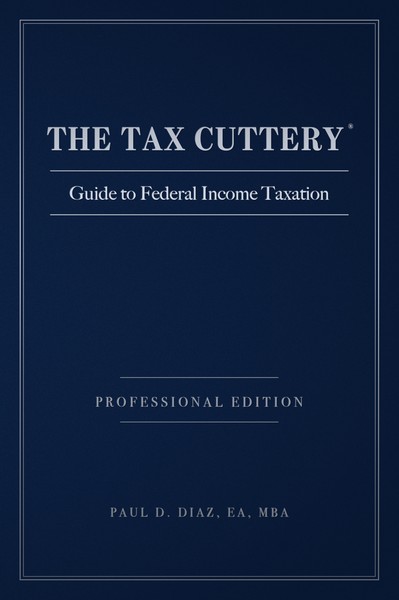
Keep the bigger picture on your desk
One Question Leads To Another.
The Guide connects this topic to the decisions around it. Understand your return, ask better questions, and see where planning belongs.
Explore the related chapter summary, then make the hardcover yours. Register your copy for one written tax-topic question answered from our desk.
Related Questions
Source And Scope
IRS — Qualified education expenses. Use the rules and instructions for the tax year involved. This overview does not cover every exception and is general information, not a conclusion about a particular return.
Continue in the Guide: Chapter 4.