
Tax answers · IRC §274
What Records Support Business Travel And Vehicle Deductions?
For expenses subject to the stricter substantiation rules, you need records supporting the required details, such as amount, time, place, and business purpose. A card statement can establish payment without establishing why the expense qualifies. Vehicle use also needs a supported business-use calculation.
Capture The Explanation While It Is Still Fresh
Keep receipts with the trip or transaction details rather than collecting unexplained charges at year-end. A calendar, mileage record, invoice, and short business-purpose note can work together. Documentation requirements differ by expense, so use the rules that apply to the particular claim.
Separate The Expense Category From Deductibility
A well-documented expense can still be nondeductible or limited. Personal travel and ordinary commuting are not converted into business expenses by keeping receipts. Meals, gifts, and entertainment do not all have the same treatment; check the current rules before applying a single percentage to everything.
Make The File Understandable To Another Person
Someone who was not on the trip should be able to understand what happened and how the business portion was calculated. That is a useful practical test for your file, even before a preparer or examiner asks for it.
What To Gather Before The Conversation
- Receipts and proof of payment
- Dates, destinations, and business purpose
- Mileage or other use records
- Participants and business relationship where required
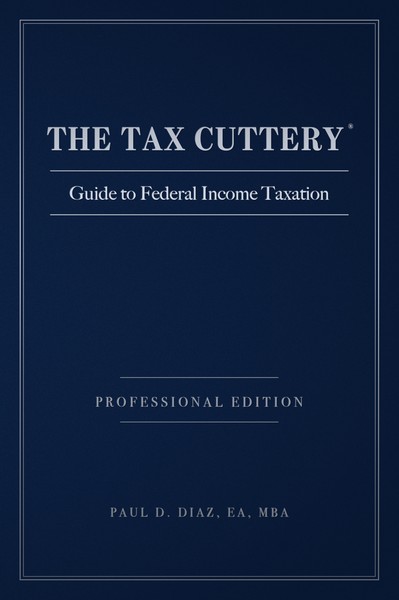
Keep the bigger picture on your desk
One Question Leads To Another.
The Guide connects this topic to the decisions around it. Understand your return, ask better questions, and see where planning belongs.
Explore the related chapter summary, then make the hardcover yours. Register your copy for one written tax-topic question answered from our desk.
Related Questions
Source And Scope
IRS Publication 463 — Travel, Gift, and Car Expenses. Use the rules and instructions for the tax year involved. This overview does not cover every exception and is general information, not a conclusion about a particular return.
Continue in the Guide: Chapter 18, Chapter 3, Chapter 6, Chapter 7, Chapter 19, Chapter 21.